
Tax season can bring anxiety for both employees and employers, especially when facing complex forms, credits, and deadlines. Every spring, conversations around tax compliance and refunds echo throughout workplaces worldwide. We believe that understanding the Volunteer Income Tax Assistance (VITA) program can transform this annual challenge into an opportunity for workplace support and well-being. At EWS Limited, we regularly advise organizations on supporting their people through tax season, as part of our commitment to growth, risk management, and global workforce solutions. In this guide, we’ll share insights about VITA—its reach, benefits, practical steps for employers, and why it’s directly relevant for HR and business leaders who want to invest in their teams’ financial health.
“VITA” stands for Volunteer Income Tax Assistance, a federal IRS-sponsored service that offers free tax preparation help to individuals with incomes of $64,000 or less, people with disabilities, and those with limited English proficiency. The service is provided by IRS-certified volunteers who are trained to prepare and file federal—and in many cases state—tax returns. VITA’s mission is to reduce financial barriers and increase access to tax credits that can change lives.
In our experience at EWS Limited, the core of the VITA program is accessibility. VITA targets some of the most vulnerable segments of the workforce:
Instead of struggling with paperwork or paying for private tax services, qualifying workers can receive accurate, confidential, and free assistance from trained volunteers. These volunteers are often students, retirees, or community professionals with a passion for service. Each VITA return is prepared and quality checked to ensure the filer gets the credits and refunds they deserve.
We often see the ripple effects of financial stress within organizations. When employees feel empowered to file taxes correctly and claim all eligible credits, their financial confidence and workplace morale increase. VITA is not just about forms and numbers—it’s about supporting your workforce, which circles back to improved retention, mental well-being, and even recruitment success.
Tax support is people support.
Let’s consider how:
From a management and HR viewpoint, recognizing and promoting VITA aligns with corporate social responsibility and thoughtful benefits planning. As global workforce mobility increases, especially for companies we partner with at EWS Limited, it becomes even more relevant to provide inclusive, multilingual tax assistance options for a dispersed, culturally diverse team.
The VITA program’s scale has grown dramatically, with numbers that even surprised us the first time we reviewed them. According to the IRS, in 2022, VITA supported the preparation of over 2.2 million tax returns at around 9,000 sites across the U.S. (IRS grant overview).
For the 2026 tax season, the IRS awarded $53 million in grants specifically to VITA and similar programs. This highlights the government’s commitment to broadening access and supporting community tax assistance.
 Real-world results make a difference
Let’s share a couple of stories from university-based programs, since we love to see data in context. At California State University, Stanislaus in 2024, student volunteers prepared 433 tax returns, yielding $955,375 in combined refunds and credits for local taxpayers. Meanwhile, the 2024 VITA program at California State University Long Beach helped 1,589 clients—a 76% jump from the previous year—delivering $1,271,188 in funds returned to local families. These are not just numbers; they represent children fed, bills paid, tuition covered, and futures changed.
The Earned Income Tax Credit remains a key financial lever for low-and-middle-income households. According to IRS data, as of December 2025, approximately 24 million workers and families received about $70 billion in EITC benefits, with an average credit of nearly $2,894 each (EITC central statistics). VITA sites are trained to identify all available credits and deductions for each client. That means better financial outcomes for your employees—and greater peace of mind for everyone involved.
This is a question we hear regularly: Can our business use VITA to file corporate taxes? The answer is direct: VITA is strictly for personal tax returns. It does not cover business tax filings or complicated self-employment returns with inventory or advanced schedules. However, that distinction can be empowering, not limiting: VITA is an employee benefit, not a company tool.
Here’s why businesses should pay attention anyway:
We’ve noticed that when employers share guidance on tax help, it builds a culture of trust. Sharing IRS resources, VITA site locators, and seasonal reminders adds a new layer of support that current and future employees remember.
Understanding the flow of VITA services is the first step to sharing the program with your team. While each site may operate slightly differently, here’s a standard sequence for employees who want to use VITA:
Employers and HR leaders can make this process smoother for workers by providing clear resources and reminders—which is a conversation we have often during benefits reviews at EWS Limited.
Preparation saves time. Before attending a VITA session, employees should collect:
For remote and virtual VITA options, scanned or photographed documents are usually acceptable. This flexibility can be a lifeline for shift workers, those without transportation, or remote employees—groups often supported by EWS Limited through our global mobility solutions.
Site access varies widely across the country. There are nearly 9,000 VITA sites, but distribution is not uniform—urban states offer more options, while rural areas may be underserved.
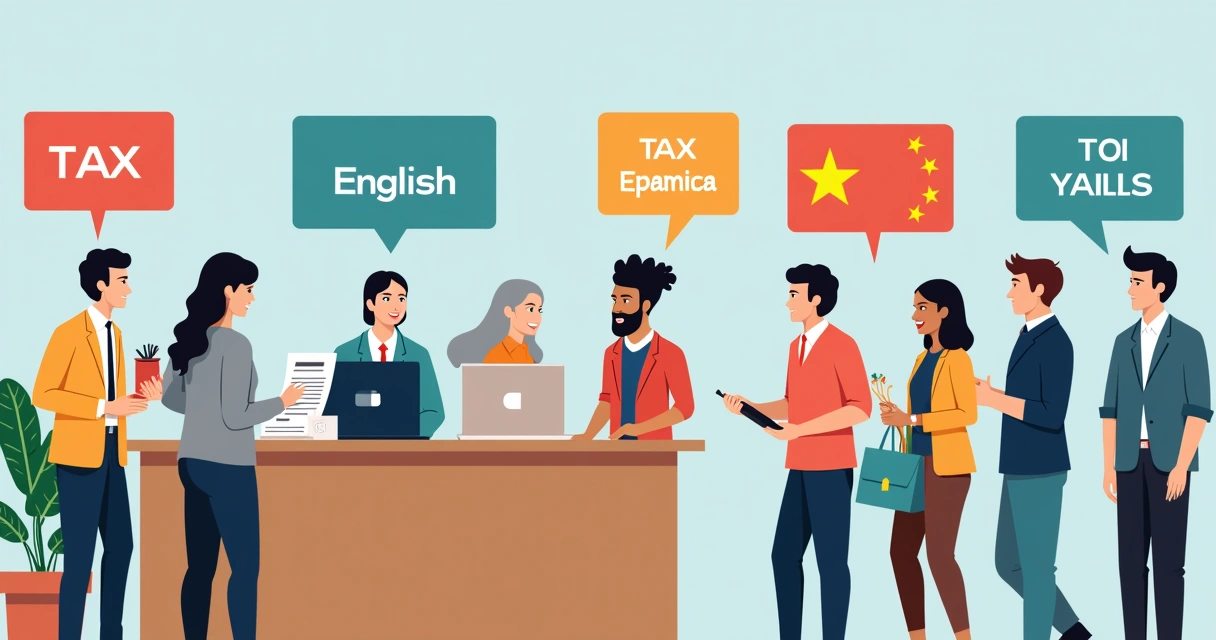 Urban states like California, New York, and Illinois might have hundreds of sites plus broad language offerings. Some states even provide their own Earned Income Tax Credits or extra tax support—a detail global employers should share when hiring across state lines. For instance, a California employee may access both the federal and state EITC, increasing their total refund potential, while a rural employee in a less populous state may face travel or language challenges finding qualified support.
Employers operating in several states or countries, such as those we partner with through our centralized workforce management services, should include state-specific tax support details in onboarding and internal guidance. This attention to local regulation can protect against compliance headaches—and build employee loyalty.
VITA site locators and updated access details can be found directly on the IRS VITA site guidance. Remember, timely information can mean a bigger refund and greater workplace appreciation.
COVID-19 changed tax season forever. We observed a surge in virtual tax services, and VITA adapted quickly. Now, many locations offer online document uploads, video tax prep appointments, and even after-hours consultations. This is critical for:
Remote access brings equity to tax help.
Encouraging VITA use through virtual channels can make your workplace more inclusive—something we continuously pursue at EWS Limited. This also simplifies the compliance process for international assignees, a challenge we address through tools like our international hiring compliance checklist.
VITA is about more than filling out tax forms. Many locations provide:
A recent FDIC survey of VITA providers found large demand for banking services and financial education at these sites. Many VITA sites have responded by adding workshops, credit counseling, and benefits navigation support. We see an opportunity for employers to build on this by connecting HR and payroll functions to community resources, especially for populations facing additional financial or access barriers.
To move from awareness to action, EWS Limited encourages employers and HR leaders to take these steps:
When businesses demonstrate real concern for employee well-being, they build loyalty and attract talent. This approach supports the broader aims of workplace management and healthy company culture, fundamental goals at EWS Limited.
 HR technology, reminders, and year-round support
Technology can strengthen your tax season support. We suggest integrating reminders and resource links into your HR software or internal messaging channels. Features like:
Some HR platforms allow employers to embed resource libraries, personalized email reminders, and compliance checklists, taking the pressure off managers while making sure employees know what support exists. Digital newsletters and tools, like the templates we help clients develop at EWS Limited, keep resources top-of-mind all year, not just in March and April.
Evidence, like the results shared above, points to one clear trend: Better access to tax support reduces employee anxiety, increases well-being, and boosts retention. When organizations put financial well-being on the table as a real priority—from compensation to benefits and tax support—they send a message of value and respect.
The payoff is loyalty. Staff are less distracted by financial concerns, more present at work, and more likely to share positive experiences during recruitment efforts. This is especially meaningful in industries with high turnover or in competitive markets for specialized talent, such as technology or global mobility. Supporting employees through tax season, as we advise our partners at EWS Limited, is a small action with big impact.
With the rise of distributed teams, especially since 2020, we see employers grappling with new compliance and communication questions. For international talent, tax season can bring extra layers of complexity, with additional reporting forms, ITIN issues, or expat-specific requirements. It’s here that global HR, payroll, and compliance consulting—services we provide at EWS Limited—can be invaluable.
By partnering with experts who understand cross-border taxation and relocation, companies can share correct state and country-specific resources with new hires. This reduces errors, avoids compliance violations, and helps employees feel confident—no matter where they’re based. We’ve put together resources, like our employee relocation benefits guide, to support this shift to global-first thinking.
We always come back to one principle: proactive, clear communication about tax resources makes workplaces stronger. If your company operates across states or countries, coordinate annual tax season campaigns through HR, payroll, and management teams. Share clear, accessible information about VITA and other support programs, encourage participation, and gather feedback after tax season to improve year after year.
Alongside partners like EWS Limited with deep experience in compliance and workforce management, you can transform tax season from a burden into an advantage. As hiring grows more global and regulations shift, these supportive structures are not just nice to have—they are smart risk management and people care strategies.
At EWS Limited, we see the VITA Tax Program as more than a public service; it’s a strategic tool for supporting both people and organizational outcomes. By raising awareness, connecting employees with VITA and related resources, and embracing inclusive, year-round communication, employers and HR leaders can create workplaces where everyone is empowered to succeed—at tax season and beyond.
If you’re ready to strengthen your global workforce strategy, improve compliance, and support your team’s well-being through tax season and every season, our team at EWS Limited is ready to help. We invite you to learn more about our global HR, payroll, and compliance solutions and see the difference we’re making for businesses and their people worldwide.
The VITA Tax Program is a federally funded service from the IRS offering free, IRS-certified tax preparation for individuals and families with incomes of $64,000 or less, people with disabilities, and those with limited English proficiency. It uses certified volunteers to help ensure people receive all eligible tax credits and file returns accurately and safely.
Employers themselves do not file business returns through VITA, but they can make a big difference by sharing information about the service with their staff. HR and management teams can distribute VITA materials, include IRS site locators in onboarding, send deadline reminders, and highlight multilingual or state-specific resources. This support can improve morale, retention, and the general workplace culture.
Yes, VITA services are completely free for eligible individuals. There are no hidden charges for preparing or filing federal returns, and in many areas, help with state tax returns is also provided at no cost.
The IRS maintains a national VITA site locator updated each tax season. Employers and employees can search by ZIP code for in-person, virtual, or drop-off options, and most VITA sites are set up in community centers, libraries, and universities.
Supporting VITA access lets HR demonstrate care for employees’ financial health and compliance. Active promotion of VITA can result in happier, less stressed workers, higher retention, and lower absenteeism. It also strengthens employer branding as a socially responsible, people-first organization, which is especially useful for recruiting and retaining talent in competitive markets. For companies managing international workforces or relocations, it helps ensure cross-border compliance and smoother transitions, fully in line with the solutions provided at EWS Limited.

How to Complete IRS W-8 BEN for Foreign Contractors: A Simple Guide
Exempt vs. Non-Exempt Employees: 2026 Guide for Employers
Work From Home Stipends: What They Cover and How They Work
Small Business Benefits: 8 Strategies for Rising Costs in 2026
Payroll Tax Forms in 2026: A Simple Guide for Growing Businesses
How to Build Strong Company Values That Shape Workplace Culture
EU Pay Transparency Directive 2026: A Step-by-Step Compliance Guide
AI Data Center Hotspots: Skilled Trade Wages, Growth, and Trends
Ad Hoc IT vs MSPs vs Platforms: Choosing the Right IT Approach
Misclassifying Contractors vs Employees: Risks, Penalties, Solutions
Hiring in Morocco: North Africa’s Emerging Tech Talent Market
Hiring in Portugal: What You Need to Know in 2026
Global Mobility and EOR: How to Align HR and Immigration in 2026
Beyond China: Where Asian Companies Are Hiring in 2026
How Recruiters Use EOR to Win Big in Fintech Placements
Europe’s Freelancer Laws in 2026: When to Switch to EOR
Hiring in the Philippines: 2026 Guide for Global Employers
How Recruiters Use EOR to Unlock German Healthcare Placements
Hiring in Colombia: 2026 Compliance Guide for LatAm Expansion
Hiring in Türkiye (Turkey): 2026 Guide for International Teams
How Recruiters Use EOR to Handle Rapid Global Onboarding
Top 5 EOR Red Flags to Avoid in 2026
EOR vs Entity Setup in 2026: What Startups Need to Know
10 Things You Didn’t Know Your EOR Could Do
When to Use a Payroll Provider vs Full EOR in Global Hiring
January Compliance Watch: What’s Changing in APAC Labor Laws
Hiring in Turkey in 2026: Costs, Contracts, and EOR Options
Contractor or Employee? Compliance Risks to Watch in 2026
What’s Changing in European Payroll Compliance in 2026?
How to Use EOR to Win More Government or Public Sector RFPs
Hiring in Colombia: Fast-Growing Talent Pool, Low Total Cost
Remote Tech Jobs Surge 33% in Ireland: Skills You Need Now
Remote Work in APAC: 7 Data-Driven Trends for 2026 Expansion
Remote Payroll Headaches: 7 Mistakes HR Teams Make
Freelancer vs EOR in 2026: Cost, Risk, and Speed Compared
How Employee Experience Drives Retention and Business Growth
How HR Can Reduce Burnout Amid AI, Budget Cuts, and Change
Employment Contracts: What HR and Global Managers Must Know
PEO Explained: How It Simplifies Global Workforce Management
Global Mobility: A Complete Guide for HR and Global Managers
Remote Workforce: A Complete Guide to Managing Global Teams
Workforce Planning: A Step-by-Step Guide to Strategic Hiring
How Recruiters Use EOR to Increase Revenue Per Client
The Secret to Winning Global RFPs? A Strong EOR Partner
Top 7 Hiring Trends Shaping Global Teams in 2026
Hiring in Türkiye: Key Labor Laws and Employer Risks in 2026
GCC Hiring Compliance Update: What’s Changing in 2026
How to Hire in Turkey in 2026: A Strategic EOR Guide
Why modern recruitment agencies outsource compliance to EOR partners
How adding an EOR partner helps agencies win more RFPs
EOR Opportunities in Poland: Why It’s Europe’s Talent Powerhouse
Cross-Border Hiring Trends for 2026: Insights for Global Recruiters
How to Build a Scalable Payroll Strategy Across MENA
Contractor vs Employee in Germany: What’s the Risk in 2026?
“Place globally, bill locally” — the new recruiter cheat code
Top 5 Compliance Mistakes When Expanding to the UAE
Why EOR is Key to Winning Public Sector Tenders in Europe
Growth formula for agencies using EOR to expand key accounts
How EOR helps recruiters stay ahead of fast-changing GCC compliance
Employer of Record in Mandarin: What is 境外雇主服务?
How to Use an EOR for Temporary Projects (中国公司如何为短期海外项目使用EOR服务)
Why “Go Global” Must Include Compliance (“走出去”战略中的合规盲点)
中资企业如何选择欧洲EOR供应商?(How to Choose the Right EOR Partner in Europe)
与当地政府打交道:中国公司需要了解的合规礼仪 (Cultural Compliance for Chinese Firms)
中国公司海外人力结构案例分析:制造业、科技与能源 (HR Case Studies: Chinese Firms Abroad)
How Guanxi Influences Hiring in the Middle East (关系在中东招聘中的作用)
Top 5 Risks When Hiring in the Gulf (中国企业在海湾地区招聘的五大风险)
Managing Compliance in Multi-country Projects (中国企业多国项目的人力合规管理)
The $100K Visa Shock: Why Global Hiring Just Replaced the H-1B
How to Set Up Payroll For Hpc And Ai Teams
Contracting Machine Learning Talent Abroad
Everything on Hiring Foreign Phds In German Tech Labs
Cross-Border Ip Protection In R&D Teams
How To Classify Freelancers In Tech Innovation
How Eor Helps Tech Firms Legally Hire In Germany
Dual Contract Structure For International Researchers
Data Protection Obligations For Remote Tech Staff
Germany Research Visa Vs Skilled Worker Visa
Everything on Nis2 Directive Compliance For Eu Tech Workers
Global Mobility For Deep Tech Startups In Germany
Payroll For EU Embedded Systems Developers
Relocation Support For Semiconductor Experts on EU
The Absolute Way to Hire Ai Engineers In Germany
How to Manage Benefits For German Tech Hires
Germany’S Blue Card Process For Engineers
Everything on Germany R&D Employment Compliance
Remote Hiring Of Cybersecurity Analysts In Eu
Visa Pathways For Quantum Computing Researchers
Onboarding Robotics Specialists Across EU Borders
Workforce Planning In Ai-Driven Logistics And Infrastructure
Visa Processing For High-Tech Infrastructure Staff
Managing Global Mobility In Sustainable City Projects
Cross-Border Team Management In Saudi Data Centers
Hiring Skilled Labor For Green Hydrogen Facilities
Digital Twin Technology Hiring Trends In Saudi Construction
Employer Obligations In Public-Private Energy Initiatives
Navigating Local Labor Laws For Solar Energy Teams
Talent Acquisition In The Saudi Mining Sector
Eor Solutions For Ai Engineers In Mega Projects
Regulatory Challenges In Hiring For Giga Construction Projects
Contractor Compliance In Smart City Developments
Classification Of Engineering Consultants In Vision 2030 Projects
How To Manage Workforce For Neom-Based Tech Projects
Eor For Multinational Mining Firms Operating In Saudi Arabia
Employer Of Record For Wind Energy Projects In The Gulf
Relocation Logistics For International Clean Energy Experts
Hiring Strategies For Large-Scale Construction Projects In Ksa
How To Onboard Digital Infrastructure Experts In Saudi Arabia
Payroll Setup For Renewable Energy Workers In Ksa
Strategic Relocation To Riyadh Or Doha: A Guide for Global Employers
Work Visa Processing In Qatar And Saudi Arabia
Qatar Nationalization Policy And Foreign Firms
Cost Of Setting Up A Business In Qatar: A Guide for Global Employers
Saudi Labor Court And Dispute Handling for Global Employers
Cross-Border Payroll For Ksa And Qatar Teams
End Of Service Benefits Saudi Arabia: A Guide for Global Employers
How To Manage Expat Benefits In Qatar for Global Employers
Expanding Into New Markets: Vendor Risks You Should Flag
A Guide to Cross-Border Equity Vesting for Tech Startups
Employer Branding for Multinational Teams: What Works Now
What Global C-Level Leaders Miss About Digital Nomad Visas
Succession Planning for Distributed Teams: A Practical Guide
Relocation Budgeting For Global Tech Firms
Latam Hiring Strategy: What Global Companies Should Know
Risk Of Permanent Establishment Explained
Managing Intellectual Property In Remote Work
Benefits Benchmarking Globally for Global Companies
How to Benchmark Compensation Across 100+ Countries in 2025
Checklist: Preparing HRIS for Fast International Scalability
Biometric Data in Global Payroll: Legal Boundaries Explained
8 Regulatory Updates Impacting Global HR in 2025
What are Hidden Costs of In-House Payroll?
Why Companies are Thinking Differently About Relocation
Is Your Global Mobility Program Outgrowing Spreadsheets?
Remote Work Visas: A Growing Trend in Global Mobility
Hiring in Europe Post-Brexit: What You Need to Know
Tips for Managing Multi-Time Zone Teams Successfully
Relocation Packages: What Top Talent Expects in 2025
Banking and Payroll Challenges in Saudi Arabia Markets
The Legal Risks of Misclassifying Global Workers
Why Scalability Should Drive Your Global HR Strategy
How EWS Streamlines Global Mobility for Tech Talent
Lithuania – Employer of Record
Kosovo – Employer of Record
Finland – Employer of Record
Namibia – Employer of Record
Nepal – Employer of Record
Spain – Employer of Record
Latvia – Employer of Record
Ireland – Employer of Record
Cyprus – Employer of Record
Czech Republic – Employer of Record
Italy – Employer of Record
Indonesia – Employer of Record
South Africa – Employer of Record
Tunisia – Employer of Record
Bosnia – Employer of Record
Moldova – Employer of Record
Five Tips For Improving Employee Engagement
Netherlands – Employer of Record
Germany – Employer of Record
France – Employer of Record
Portugal – Employer of Record
Bulgaria – Employer of Record
Austria – Employer of Record
Hungary – Employer of Record
Slovenia – Employer of Record
INCLUSIVITY IN THE TEAM MAKES EVERYONE WIN
Thailand – Employer of Record
Sri Lanka – Employer of Record
The Significance of an Employer of Record
Greece – Employer of Record
Mexico – Employer of Record
4 Reasons to Outsource Your Payroll
Five Recruitment Trends 2023
Malaysia – Employer of Record
Skill-Based Hiring and Benefits
Malta – Employer of Record
How To Practice Inclusive Recruitment
Israel – Employer of Record
Macedonia – Employer of Record
Jordan – Employer of Record
Macau – Employer of Record
Peru – Employer of Record
The Importance of Employer Branding
Bahrain – Employer of Record
South Korea – Employer of Record
Recruiting during a recession
Philippines – Employer of Record
USA – Employer of Record
Japan – Employer of Record
How To Setup A Business in 2023
Norway – Employer of Record
Managing Overseas Projects In 2023
Reason Of Expanding Your Workforce Globally
Croatia – Employer of Record
Colombia – Employer of Record
5 Ways To Speed Up Your Hiring Process
Egypt – Employer of Record
3 Ways To Streamline An Interview Process
Russia – Employer of Record
Saudi Arabia – Employer of Record
Hong Kong – Employer of Record
An Effective Hybrid Work Model
Turkey – Employer of Record
UAE – Employer of Record
Pakistan – Employer of Record
7 Things to Consider Before Accepting a Job
Kazakhstan – Employer of Record
3 Reasons to Encourage Employees to Generate Employer Brand Content
Denmark – Employer of Record
Sweden – Employer of Record
Bangladesh – Employer of Record
Kuwait – Employer of Record
How To Hire In The Age Of Hybrid Working
Australia – Employer of Record
Oman – Employer of Record
Qatar – Employer of Record
Ukraine – Employer of Record
Diversity – A Vital Hiring Strategy
Owning Every Moment of Your Hiring Experience
Serbia – Employer of Record
Maldives – Employer of Record
India – Employer of Record
Argentina – Employer of Record
Uzbekistan – Employer of Record
Belarus – Employer of Record
Brazil – Employer of Record
Chile – Employer of Record
Armenia – Employer of Record
3 Steps To Company Formation In The UK & Abroad
Romania – Employer of Record
Canada – Employer of Record
Morocco – Employer of Record