
Scraped market signals are everywhere, and today’s business moves fast. We notice a price drop, a new product ranking, or a stock-out event. Usually, that signal gets trapped in a spreadsheet or a chat thread.
But in our work at EWS Limited, we have seen that the real value only shows when teams turn those signals into coordinated action—and do it quickly. This is the idea behind a sync-first pipeline: every market signal becomes a structured work item, with a clear owner, routed to the right people, and tracked across tools—Jira, ServiceNow, Zendesk, GitHub, and more.
Fast action on signals beats high volume with no follow-through.
In this guide, we will show you step by step how syncing scraped market signals can give you an edge, how to prevent signals from getting lost, and how to turn new market data into actual changes. We’ll draw lessons from our experience helping Series B and C companies, established IT teams, global mobility managers and partner management squads—as well as tools like Exalate, which has shaped how teams sync, map, and act on data. And just as we advise at EWS Limited, we will focus every step on acting faster—with less noise and fewer missed signals.
Scraped market data powers critical tasks—but let’s be honest, the current workflow gets in its own way. Say your crawler detects a competitor price gap, a dropped product ranking, or a negative review. The typical workflow looks something like this:
We have seen this in every fast-growing company, from recruiting team overflow to global mobility gaps (if you want to learn more about workforce automation, you might want to read about payroll automation for global workforce efficiency).
In our experience, the big leap forward comes from moving to a sync-first pipeline. This means:
We have partnered with companies who get the most out of two-way sync and real-time issue updates, using Exalate to connect teams across national borders and departments. For these teams, each market signal fits a specific work type:
Each ticket is mapped, scored, and routed by a script or by Exalate’s AI co-pilot—so only real, actionable work enters the team’s backlog.
Signals should lead to changes, not just alerts.
It’s tempting to launch your scrapers and collect everything, but we’ve watched companies regret this. Instead, define a tight data schema in advance. This controls noise and improves trust. The data contract answers:
We advise using primary keys that cannot shift unexpectedly (as simple as SKU plus exact domain or listing ID), and using clear, human-readable timestamps. Before running large jobs, we model a few flows, so when the first signal appears, the work item is ready for sync—resource-saving and focused.
Collection is not just about the data—it is also about staying out of trouble. As studies from PubMed-indexed honeypot research have shown, automated traffic now makes up 47.4% of internet activity, with most bots blending routine automation and customized behaviors. Bot detection systems often use aggressive rate-limits, pattern-blocks, and fingerprinting. According to studies from MIT Sloan, general-purpose bot detections can still be error-prone and can even block legitimate fetches if not carefully managed.
To avoid being blocked and to maintain sustainable access, we advise putting in place the following guardrails:
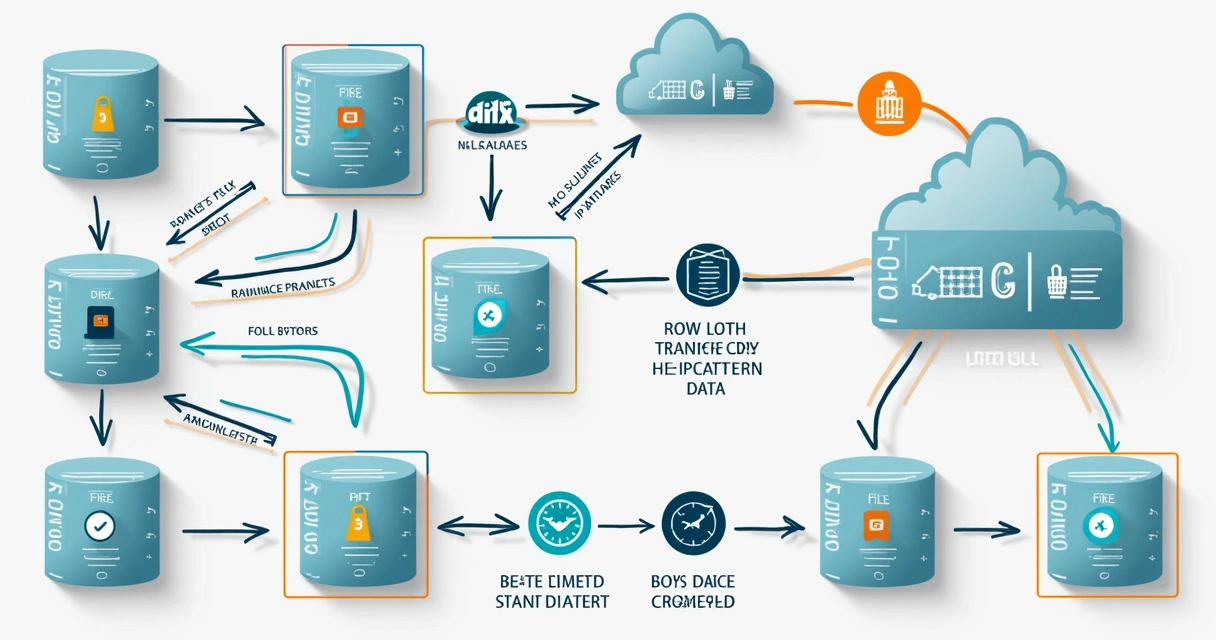 Bot pattern analysis proves that structure and flexibility both matter—static scrapers get blocked, while too much randomness leads to drift and errors.
At EWS Limited, we help teams maintain just enough variation and traceability—adjusting with every change in bot response or pattern recognition.
Once data arrives, matching units, currencies, and locales is a classic hurdle. Price data in Yen, Euros, and USD—different date formats and decimals—can mean errors if sent directly to a global team.
Here’s how we’ve seen the best teams approach normalization and scoring:
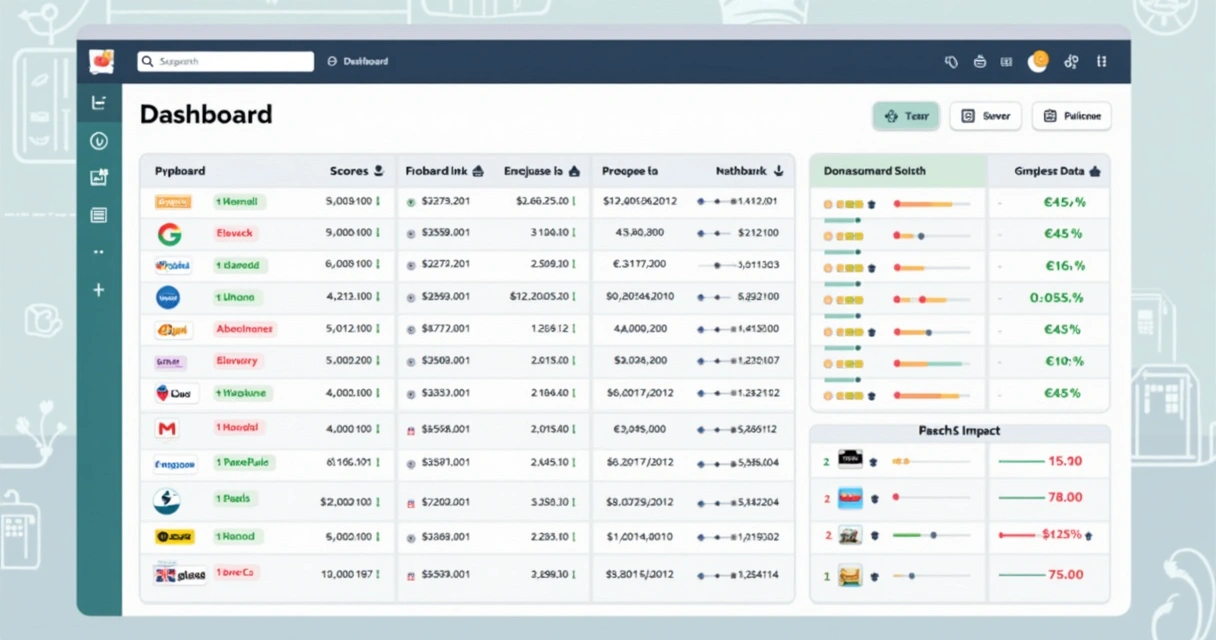 By normalizing and scoring first, only real issues hit the ticket queue. This has helped our clients reduce noise, focus on changes that matter, and avoid task overload. It is also an approach EWS Limited applies in both global hiring data and workforce management, as seen in our guide to EOR-enabled hiring.
Once we know the market signal is trustworthy and impactful, it is time to create a work ticket. We have found the following steps make this process work across teams and platforms:
When we build these flows, scripting (or using an AI co-pilot) helps map edge cases and add logic. Exalate is a great example of this—teams can route and tune flows for edge cases, regional policy, or custom approval steps, without losing traceability or breaking privacy requirements.
One issue, one owner, one result—across every tool your team already knows.
This approach means pricing teams never get bugs, engineers don’t see out-of-stock events, and support teams don’t miss urgent brand risks.
Security is as important as speed. Scraped data can include credentials, emails, product info, or even user data, so strong security and audit are never optional. In our consultancy, we guide clients to:
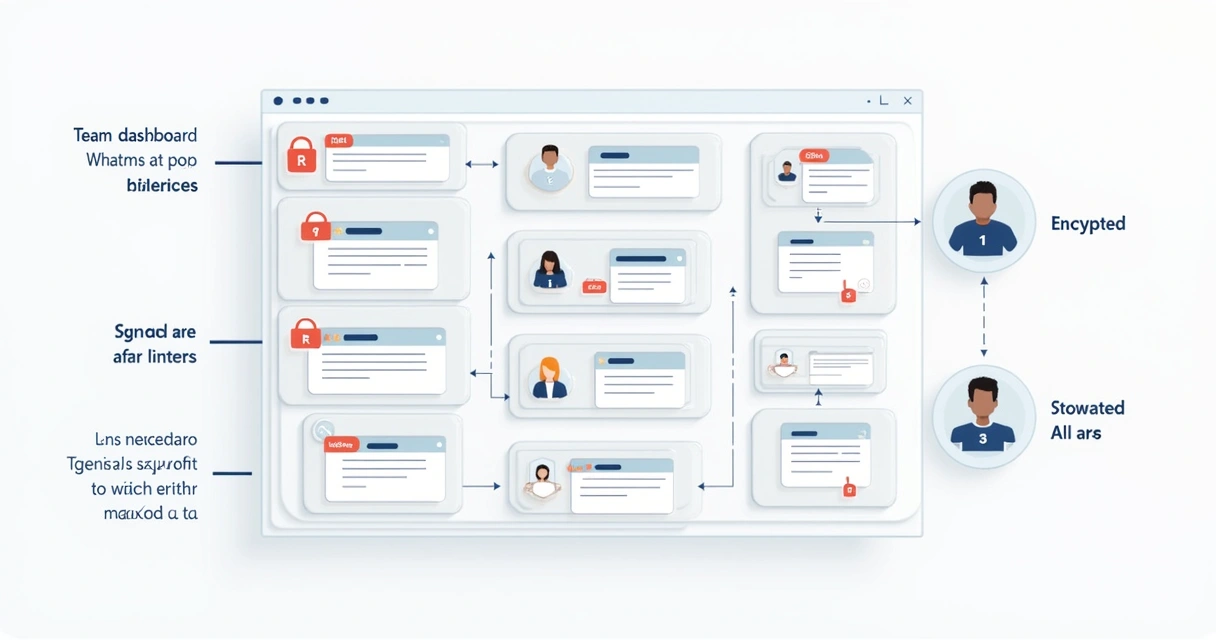 This gives leadership and IT teams the trust to expand syncs and to bring more teams into the loop. For those facing compliance-heavy environments or operating in sensitive markets, this step unlocks cross-team sync and speed without tradeoffs.
A common pitfall is to celebrate growing the amount of data or the number of alerts. In our view, and based on years of experience at EWS Limited, the only thing that matters is solving problems faster—with fewer misses and less manual work.

AI in HR: How Machine Learning Is Reshaping Recruting
Spain’s Workforce Crisis: Why Migration Is Now Essential
How to Complete IRS W-8 BEN for Foreign Contractors: A Simple Guide
Exempt vs. Non-Exempt Employees: 2026 Guide for Employers
Work From Home Stipends: What They Cover and How They Work
Small Business Benefits: 8 Strategies for Rising Costs in 2026
Payroll Tax Forms in 2026: A Simple Guide for Growing Businesses
How to Build Strong Company Values That Shape Workplace Culture
EU Pay Transparency Directive 2026: A Step-by-Step Compliance Guide
AI Data Center Hotspots: Skilled Trade Wages, Growth, and Trends
Ad Hoc IT vs MSPs vs Platforms: Choosing the Right IT Approach
Misclassifying Contractors vs Employees: Risks, Penalties, Solutions
Hiring in Morocco: North Africa’s Emerging Tech Talent Market
Hiring in Portugal: What You Need to Know in 2026
Global Mobility and EOR: How to Align HR and Immigration in 2026
Beyond China: Where Asian Companies Are Hiring in 2026
How Recruiters Use EOR to Win Big in Fintech Placements
Europe’s Freelancer Laws in 2026: When to Switch to EOR
Hiring in the Philippines: 2026 Guide for Global Employers
How Recruiters Use EOR to Unlock German Healthcare Placements
Hiring in Colombia: 2026 Compliance Guide for LatAm Expansion
Hiring in Türkiye (Turkey): 2026 Guide for International Teams
How Recruiters Use EOR to Handle Rapid Global Onboarding
Top 5 EOR Red Flags to Avoid in 2026
EOR vs Entity Setup in 2026: What Startups Need to Know
10 Things You Didn’t Know Your EOR Could Do
When to Use a Payroll Provider vs Full EOR in Global Hiring
January Compliance Watch: What’s Changing in APAC Labor Laws
Hiring in Turkey in 2026: Costs, Contracts, and EOR Options
Contractor or Employee? Compliance Risks to Watch in 2026
What’s Changing in European Payroll Compliance in 2026?
How to Use EOR to Win More Government or Public Sector RFPs
Hiring in Colombia: Fast-Growing Talent Pool, Low Total Cost
Remote Tech Jobs Surge 33% in Ireland: Skills You Need Now
Remote Work in APAC: 7 Data-Driven Trends for 2026 Expansion
Remote Payroll Headaches: 7 Mistakes HR Teams Make
Freelancer vs EOR in 2026: Cost, Risk, and Speed Compared
How Employee Experience Drives Retention and Business Growth
How HR Can Reduce Burnout Amid AI, Budget Cuts, and Change
Employment Contracts: What HR and Global Managers Must Know
PEO Explained: How It Simplifies Global Workforce Management
Global Mobility: A Complete Guide for HR and Global Managers
Remote Workforce: A Complete Guide to Managing Global Teams
Workforce Planning: A Step-by-Step Guide to Strategic Hiring
How Recruiters Use EOR to Increase Revenue Per Client
The Secret to Winning Global RFPs? A Strong EOR Partner
Top 7 Hiring Trends Shaping Global Teams in 2026
Hiring in Türkiye: Key Labor Laws and Employer Risks in 2026
GCC Hiring Compliance Update: What’s Changing in 2026
How to Hire in Turkey in 2026: A Strategic EOR Guide
Why modern recruitment agencies outsource compliance to EOR partners
How adding an EOR partner helps agencies win more RFPs
EOR Opportunities in Poland: Why It’s Europe’s Talent Powerhouse
Cross-Border Hiring Trends for 2026: Insights for Global Recruiters
How to Build a Scalable Payroll Strategy Across MENA
Contractor vs Employee in Germany: What’s the Risk in 2026?
“Place globally, bill locally” — the new recruiter cheat code
Top 5 Compliance Mistakes When Expanding to the UAE
Why EOR is Key to Winning Public Sector Tenders in Europe
Growth formula for agencies using EOR to expand key accounts
How EOR helps recruiters stay ahead of fast-changing GCC compliance
Employer of Record in Mandarin: What is 境外雇主服务?
How to Use an EOR for Temporary Projects (中国公司如何为短期海外项目使用EOR服务)
Why “Go Global” Must Include Compliance (“走出去”战略中的合规盲点)
中资企业如何选择欧洲EOR供应商?(How to Choose the Right EOR Partner in Europe)
与当地政府打交道:中国公司需要了解的合规礼仪 (Cultural Compliance for Chinese Firms)
中国公司海外人力结构案例分析:制造业、科技与能源 (HR Case Studies: Chinese Firms Abroad)
How Guanxi Influences Hiring in the Middle East (关系在中东招聘中的作用)
Top 5 Risks When Hiring in the Gulf (中国企业在海湾地区招聘的五大风险)
Managing Compliance in Multi-country Projects (中国企业多国项目的人力合规管理)
The $100K Visa Shock: Why Global Hiring Just Replaced the H-1B
How to Set Up Payroll For Hpc And Ai Teams
Contracting Machine Learning Talent Abroad
Everything on Hiring Foreign Phds In German Tech Labs
Cross-Border Ip Protection In R&D Teams
How To Classify Freelancers In Tech Innovation
How Eor Helps Tech Firms Legally Hire In Germany
Dual Contract Structure For International Researchers
Data Protection Obligations For Remote Tech Staff
Germany Research Visa Vs Skilled Worker Visa
Everything on Nis2 Directive Compliance For Eu Tech Workers
Global Mobility For Deep Tech Startups In Germany
Payroll For EU Embedded Systems Developers
Relocation Support For Semiconductor Experts on EU
The Absolute Way to Hire Ai Engineers In Germany
How to Manage Benefits For German Tech Hires
Germany’S Blue Card Process For Engineers
Everything on Germany R&D Employment Compliance
Remote Hiring Of Cybersecurity Analysts In Eu
Visa Pathways For Quantum Computing Researchers
Onboarding Robotics Specialists Across EU Borders
Workforce Planning In Ai-Driven Logistics And Infrastructure
Visa Processing For High-Tech Infrastructure Staff
Managing Global Mobility In Sustainable City Projects
Cross-Border Team Management In Saudi Data Centers
Hiring Skilled Labor For Green Hydrogen Facilities
Digital Twin Technology Hiring Trends In Saudi Construction
Employer Obligations In Public-Private Energy Initiatives
Navigating Local Labor Laws For Solar Energy Teams
Talent Acquisition In The Saudi Mining Sector
Eor Solutions For Ai Engineers In Mega Projects
Regulatory Challenges In Hiring For Giga Construction Projects
Contractor Compliance In Smart City Developments
Classification Of Engineering Consultants In Vision 2030 Projects
How To Manage Workforce For Neom-Based Tech Projects
Eor For Multinational Mining Firms Operating In Saudi Arabia
Employer Of Record For Wind Energy Projects In The Gulf
Relocation Logistics For International Clean Energy Experts
Hiring Strategies For Large-Scale Construction Projects In Ksa
How To Onboard Digital Infrastructure Experts In Saudi Arabia
Payroll Setup For Renewable Energy Workers In Ksa
Strategic Relocation To Riyadh Or Doha: A Guide for Global Employers
Work Visa Processing In Qatar And Saudi Arabia
Qatar Nationalization Policy And Foreign Firms
Cost Of Setting Up A Business In Qatar: A Guide for Global Employers
Saudi Labor Court And Dispute Handling for Global Employers
Cross-Border Payroll For Ksa And Qatar Teams
End Of Service Benefits Saudi Arabia: A Guide for Global Employers
How To Manage Expat Benefits In Qatar for Global Employers
Expanding Into New Markets: Vendor Risks You Should Flag
A Guide to Cross-Border Equity Vesting for Tech Startups
Employer Branding for Multinational Teams: What Works Now
What Global C-Level Leaders Miss About Digital Nomad Visas
Succession Planning for Distributed Teams: A Practical Guide
Relocation Budgeting For Global Tech Firms
Latam Hiring Strategy: What Global Companies Should Know
Risk Of Permanent Establishment Explained
Managing Intellectual Property In Remote Work
Benefits Benchmarking Globally for Global Companies
How to Benchmark Compensation Across 100+ Countries in 2025
Checklist: Preparing HRIS for Fast International Scalability
Biometric Data in Global Payroll: Legal Boundaries Explained
8 Regulatory Updates Impacting Global HR in 2025
What are Hidden Costs of In-House Payroll?
Why Companies are Thinking Differently About Relocation
Is Your Global Mobility Program Outgrowing Spreadsheets?
Remote Work Visas: A Growing Trend in Global Mobility
Hiring in Europe Post-Brexit: What You Need to Know
Tips for Managing Multi-Time Zone Teams Successfully
Relocation Packages: What Top Talent Expects in 2025
Banking and Payroll Challenges in Saudi Arabia Markets
The Legal Risks of Misclassifying Global Workers
Why Scalability Should Drive Your Global HR Strategy
How EWS Streamlines Global Mobility for Tech Talent
Lithuania – Employer of Record
Kosovo – Employer of Record
Finland – Employer of Record
Namibia – Employer of Record
Nepal – Employer of Record
Spain – Employer of Record
Latvia – Employer of Record
Ireland – Employer of Record
Cyprus – Employer of Record
Czech Republic – Employer of Record
Italy – Employer of Record
Indonesia – Employer of Record
South Africa – Employer of Record
Tunisia – Employer of Record
Bosnia – Employer of Record
Moldova – Employer of Record
Five Tips For Improving Employee Engagement
Netherlands – Employer of Record
Germany – Employer of Record
France – Employer of Record
Portugal – Employer of Record
Bulgaria – Employer of Record
Austria – Employer of Record
Hungary – Employer of Record
Slovenia – Employer of Record
INCLUSIVITY IN THE TEAM MAKES EVERYONE WIN
Thailand – Employer of Record
Sri Lanka – Employer of Record
The Significance of an Employer of Record
Greece – Employer of Record
Mexico – Employer of Record
4 Reasons to Outsource Your Payroll
Five Recruitment Trends 2023
Malaysia – Employer of Record
Skill-Based Hiring and Benefits
Malta – Employer of Record
How To Practice Inclusive Recruitment
Israel – Employer of Record
Macedonia – Employer of Record
Jordan – Employer of Record
Macau – Employer of Record
Peru – Employer of Record
The Importance of Employer Branding
Bahrain – Employer of Record
South Korea – Employer of Record
Recruiting during a recession
Philippines – Employer of Record
USA – Employer of Record
Japan – Employer of Record
How To Setup A Business in 2023
Norway – Employer of Record
Managing Overseas Projects In 2023
Reason Of Expanding Your Workforce Globally
Croatia – Employer of Record
Colombia – Employer of Record
5 Ways To Speed Up Your Hiring Process
Egypt – Employer of Record
3 Ways To Streamline An Interview Process
Russia – Employer of Record
Saudi Arabia – Employer of Record
Hong Kong – Employer of Record
An Effective Hybrid Work Model
Turkey – Employer of Record
UAE – Employer of Record
Pakistan – Employer of Record
7 Things to Consider Before Accepting a Job
Kazakhstan – Employer of Record
3 Reasons to Encourage Employees to Generate Employer Brand Content
Denmark – Employer of Record
Sweden – Employer of Record
Bangladesh – Employer of Record
Kuwait – Employer of Record
How To Hire In The Age Of Hybrid Working
Australia – Employer of Record
Oman – Employer of Record
Qatar – Employer of Record
Ukraine – Employer of Record
Diversity – A Vital Hiring Strategy
Owning Every Moment of Your Hiring Experience
Serbia – Employer of Record
Maldives – Employer of Record
India – Employer of Record
Argentina – Employer of Record
Uzbekistan – Employer of Record
Belarus – Employer of Record
Brazil – Employer of Record
Chile – Employer of Record
Armenia – Employer of Record
3 Steps To Company Formation In The UK & Abroad
Romania – Employer of Record
Canada – Employer of Record
Morocco – Employer of Record