
On March 25, 2026, a high-level discussion began between the governments of Cyprus and the United Kingdom to reconsider how civilians and businesses move through and around the British Sovereign Base Areas (SBAs) of Akrotiri and Dhekelia. This sudden spotlight arose after a recent drone strike at RAF Akrotiri, pushing security to the top of the agenda. At the same time, Cypriot businesses and local communities have become increasingly concerned about how new SBA restrictions could affect vital logistics, commerce, and daily commuting.
In our experience assisting companies with cross-border operations and international expansions, these changes signal an inflection point for those relying on efficient movement across the SBAs. At EWS Limited, we believe that understanding the possible effects—and preparing for both expected and surprise changes—is the key to staying resilient. In this article, we examine the story unfolding, who is affected, what could change, and how businesses can respond.
Most readers outside Cyprus may only vaguely recall that Britain kept two small but strategically critical territories after Cypriot independence: Akrotiri and Dhekelia. These SBAs, covering about 250 square kilometers, are not just military outposts. They are complex zones of overlapping British, Cypriot, and EU interests—shaped by decades of legal agreements and economic ties. As the UK Parliament briefing on the Sovereign Base Areas details, their creation in 1960 guaranteed UK sovereignty, military access, and—with the 2004 Memorandum of Understanding—allowed for a special regime supporting Cypriot movement and trade.
The SBAs aren’t borders in the strict sense, but rather corridors that bind British defense, Cypriot commerce, and European integration together.
A visitor or freight driver on Cyprus’s southern coast may rarely notice entering the SBAs. Yet, these areas serve as links for moving goods from the crucial port of Limassol, or as routine travel paths for workers commuting between cities. For more than a decade, this blend of loose movement and a high-security military hub has been possible, but today, that balance faces new pressure.
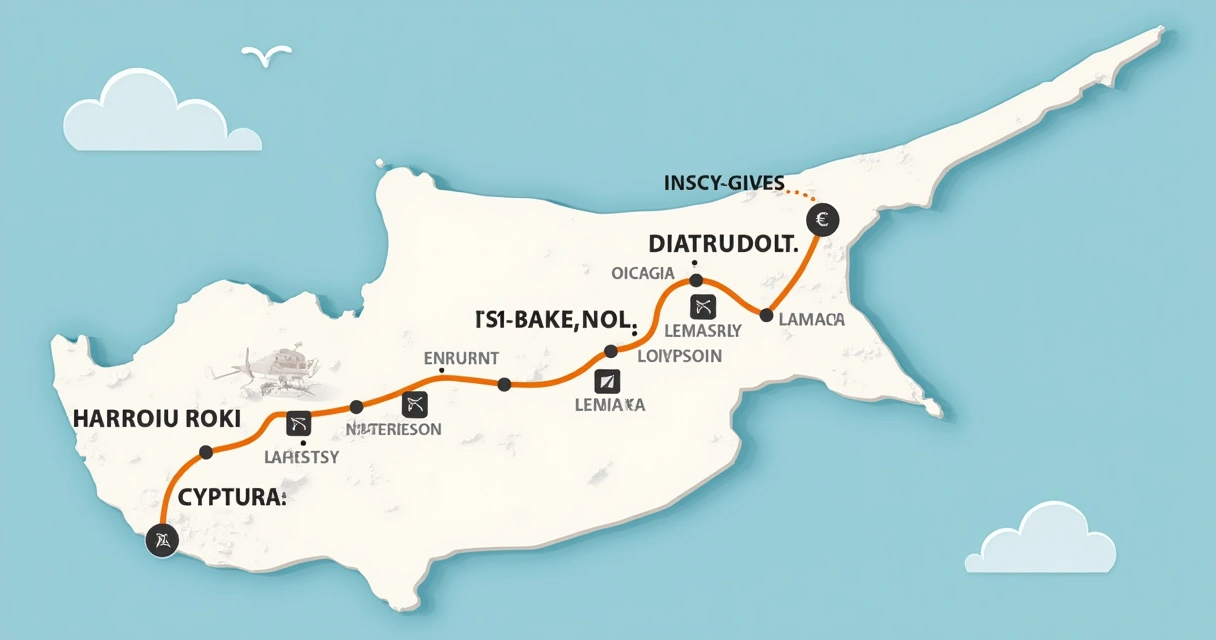 The catalyst for SBA rule changes: Recent events and renewed attention
This latest policy review emerged in the shadow of a drone attack at RAF Akrotiri. The military incident led to increased calls for tighter controls and, importantly, prompted questions about the SBAs’ open-access arrangements. Community groups and business associations pushed back, emphasizing the risks to supply chains and ordinary travel if access becomes slower or costlier.
By the end of March 2026, both governments formally announced joint working groups based in Nicosia. These groups are reviewing the still-operative 2004 Memorandum—crafted in the run-up to Cyprus’s entry into the EU. It has so far served as the main legal basis for free movement of Cypriots and goods.
The working groups’ task: rethink security rules without breaking the economic ties that rely on SBA crossings.
This is a balancing act. Cyprus remains closely integrated with the EU single market, and the SBAs allow for frictionless movement that underpins employment, logistics, and investment from Limassol to Nicosia. As consultants supporting global mobility, we see how a small change in a travel corridor can ripple, in hours, through payroll, compliance, and supply chain management.
Based on official statements and reports from government briefings, several options are on the table. Some of these could, if adopted, reshape how UK-registered companies with Cypriot branches, technology hubs, or shipping interests operate.
Each scenario brings new questions about time, paperwork, and business cost. While the 2004 Memorandum worked well during more peaceful times, current trends suggest that digital “gating” is drawing closer.
In our assessments, several groups stand out as most likely to feel the impact of new SBA policies:
We regularly assist clients at EWS navigating these cross-sector needs, from payroll outsourcing for remote workers to guidance on new regulatory hurdles. Any significant access control changes could force many organizations to re-evaluate logistics routes, supplier contracts, or even their site selection strategy.
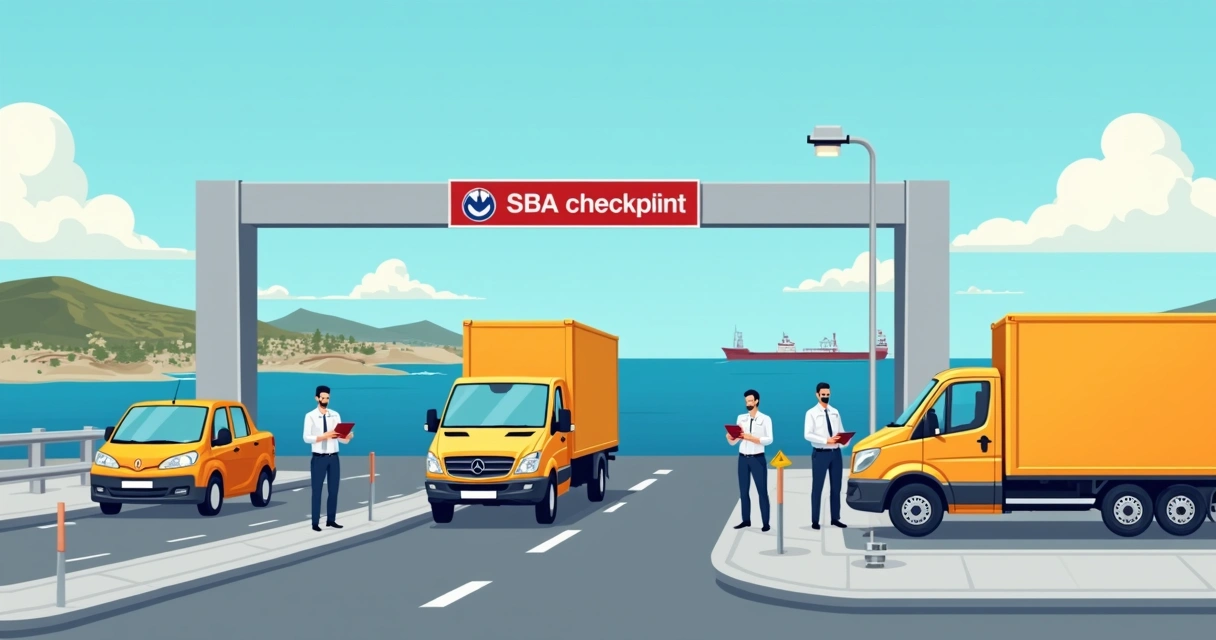 How could logistics and travel times change?
Let’s break down the possible impact in practical terms. Right now, a typical sea freight container lands at Limassol, passes smoothly through Dhekelia, and is delivered to Nicosia well under an hour later. There are plenty of anecdotal stories: drivers finishing the round-trip before lunch, just-in-time deliveries for retailers, and tech hardware for new data center installations.
If the working groups decide to add pre-clearance, identity checks, or even periodic customs inspections:
Journey times could stretch from 45 minutes to two hours or more, especially during peak periods.
Based on further scenario models, we expect:
Still, it’s not all downside. The Cyprus Investment Promotion Agency has stated, and as we agree at EWS, that rolling out a streamlined digital pass system could have a positive impact on Cyprus’s standing for sectors like energy, defence, and especially financial technology. Modern digital access, clearly set out and widely adopted, is now a selling point for foreign investment—see investment climate studies from the Cyprus Investment Promotion Agency for details.
For organizations choosing Cyprus as a business base, smoother digital entry could eventually pay off, even if some short-term adaptation is necessary.
Based on available government drafts, the leading proposal is a comprehensive electronic pre-clearance system, inspired by the EU’s EES. Here’s what we know about how it could work:
For us as management consultants and as workforce solutions experts, this means clients must prepare for new onboarding steps for expatriate or short-term staff, and track evolving visa or entry requirements.
We believe that early planning and process review can save companies not just time, but also unexpected costs as these changes are introduced.
According to government sources in Nicosia and London, the joint working groups expect to submit their technical recommendations by June 2026. We anticipate that, if adopted, pilot trials of e-clearance and biometric processing would begin later in the year.
However, this process is not unilateral. Any new measures, including electronic pre-clearance, checkpoint expansion, or biometric enrollment at Larnaca Airport, require passage through both the UK and Cyprus parliaments. The debates could stretch through autumn and winter.
The earliest we expect to see meaningful change on the ground is late 2026 or early 2027—and companies crossing through the SBAs should use this window to audit their own movement patterns and compliance exposures.
This is also a good time to re-examine HR policies and cost assumptions for expatriate placements, since extra registration steps might slow onboarding or inflate payroll processing needs.
 What practical steps should companies take now?
At EWS Limited, whenever change is likely, we recommend that management and HR leaders focus on proactive readiness, rather than wait until new rules are in place. Here’s our action plan for Cypriot, UK, and international organizations likely to be affected by SBA changes:
For readers expanding operations into Cyprus or the UK, we recommend referencing our guides on employer of record in Cyprus, company formation in the UK and abroad, and post-Brexit hiring landscapes via our Europe hiring resource.
We have seen many organizations successfully adapt to new international entry or compliance schemes through quick, informed decision-making and external expert support.
At EWS, we see the SBA discussions as a signal for all cross-border organizations to “future proof” their approach. While changes can mean new friction, they also open the door for clear digital processes and potentially stronger legal certainty.
If digital passes become fast and reliable, Cyprus could strengthen its role as a business bridge between the UK and the EU.
This would be especially meaningful for fast-growing sectors as noted by the Cyprus Investment Promotion Agency: defence, renewable energy, and fintech. Reliable, transparent access encourages multinationals to commit long-term operations, not just short-term deployments.
We always remind clients to keep sight of the timing, since delays or sudden law changes could alter planned investments, hiring, or M&A activity at short notice. Passing this new digital regime requires not just technical work but sustained political agreement on both sides.
In such a shifting landscape, consultancies like EWS Limited play a core role. Our day-to-day work frequently includes:
Most of all, we provide the single point of contact many international organizations need when rules change quickly. When new SBA access rules eventually take effect, being ready—rather than reactive—will matter for payroll, project delivery, and customer trust.
For hands-on advice on managing remote teams or project-based work in multiple jurisdictions, our article on managing overseas projects has helpful insights and checklists.
The 2026 update to SBA rules in Cyprus is about more than military security or government-to-government relationships. The decisions made in the coming months will have a visible effect on how fast and predictable business is for thousands of people each day.
Change is no longer a distant worry—it is at the gate.
Our role at EWS Limited is to help your business prepare proactively, react with clarity, and thrive no matter how the rules evolve. As SBA working groups move toward recommendations and parliaments begin to debate new protocols, we stand with you—ready to map, assess, and support your company’s cross-border ambitions between Cyprus, the UK, and beyond.
If you want to know how your business can move confidently through regulatory change and stay ahead in complex markets, reach out to our EWS team for a tailored consultation and discover how our enterprise workforce solutions can keep your expansion plans on track.
The new SBA rules being considered involve revisions to civilian and commercial access across the British Sovereign Base Areas of Akrotiri and Dhekelia. After recent events raised security concerns, working groups from the UK and Cyprus are reviewing the 2004 Memorandum of Understanding. Key changes may include an electronic pre-clearance system for foreign contractors and non-Cypriot staff, biometric enrolment requirements, and expanded checkpoint screenings, especially during high-traffic times. The final details depend on ongoing government negotiations and require approval by both countries’ parliaments.
The rules could introduce new travel and documentation steps for businesses moving goods, staff, or data across the SBAs. Right now, sea freight from Limassol to Nicosia through Dhekelia often takes under an hour, but new screening or digital gate protocols may lead to logistical delays, added costs, or altered supply chain strategies. Sectors like defence, energy, and fintech could see both disruption and opportunity—depending on how efficient the new digital solutions become.
It is not yet harder, but new SBA rules may introduce delays and administrative steps that businesses did not face before. There may be more paperwork, biometric checks, or waiting times, especially for foreign contractors and logistics companies. Still, the move toward digital passes and streamlined systems could eventually bring benefits if adoption is smooth and bottlenecks are avoided.
Logistics companies can adapt by mapping current routes, identifying affected staff, and updating cost or time estimates for container deliveries through the SBAs. Implementing flexible scheduling, investing in digital documentation processes, and monitoring government announcements will build resilience. In addition, companies should review contracts and supply chain arrangements to account for potential delays or regulatory changes. Seeking expert advice on international movement policies, like those provided by EWS Limited, can also be invaluable.
For up-to-date compliance advice, companies should focus on consulting management specialists with local and international experience, like EWS Limited. Our team can provide thorough audits of staff deployment, payroll changes, and new documentation requirements under evolving SBA rules. We also recommend monitoring official government updates and referencing independent resources such as the UK Parliament briefing on the SBAs and the Cyprus Investment Promotion Agency’s sectoral studies.

AI in HR: How Machine Learning Is Reshaping Recruting
Spain’s Workforce Crisis: Why Migration Is Now Essential
How to Complete IRS W-8 BEN for Foreign Contractors: A Simple Guide
Exempt vs. Non-Exempt Employees: 2026 Guide for Employers
Work From Home Stipends: What They Cover and How They Work
Small Business Benefits: 8 Strategies for Rising Costs in 2026
Payroll Tax Forms in 2026: A Simple Guide for Growing Businesses
How to Build Strong Company Values That Shape Workplace Culture
EU Pay Transparency Directive 2026: A Step-by-Step Compliance Guide
AI Data Center Hotspots: Skilled Trade Wages, Growth, and Trends
Ad Hoc IT vs MSPs vs Platforms: Choosing the Right IT Approach
Misclassifying Contractors vs Employees: Risks, Penalties, Solutions
Hiring in Morocco: North Africa’s Emerging Tech Talent Market
Hiring in Portugal: What You Need to Know in 2026
Global Mobility and EOR: How to Align HR and Immigration in 2026
Beyond China: Where Asian Companies Are Hiring in 2026
How Recruiters Use EOR to Win Big in Fintech Placements
Europe’s Freelancer Laws in 2026: When to Switch to EOR
Hiring in the Philippines: 2026 Guide for Global Employers
How Recruiters Use EOR to Unlock German Healthcare Placements
Hiring in Colombia: 2026 Compliance Guide for LatAm Expansion
Hiring in Türkiye (Turkey): 2026 Guide for International Teams
How Recruiters Use EOR to Handle Rapid Global Onboarding
Top 5 EOR Red Flags to Avoid in 2026
EOR vs Entity Setup in 2026: What Startups Need to Know
10 Things You Didn’t Know Your EOR Could Do
When to Use a Payroll Provider vs Full EOR in Global Hiring
January Compliance Watch: What’s Changing in APAC Labor Laws
Hiring in Turkey in 2026: Costs, Contracts, and EOR Options
Contractor or Employee? Compliance Risks to Watch in 2026
What’s Changing in European Payroll Compliance in 2026?
How to Use EOR to Win More Government or Public Sector RFPs
Hiring in Colombia: Fast-Growing Talent Pool, Low Total Cost
Remote Tech Jobs Surge 33% in Ireland: Skills You Need Now
Remote Work in APAC: 7 Data-Driven Trends for 2026 Expansion
Remote Payroll Headaches: 7 Mistakes HR Teams Make
Freelancer vs EOR in 2026: Cost, Risk, and Speed Compared
How Employee Experience Drives Retention and Business Growth
How HR Can Reduce Burnout Amid AI, Budget Cuts, and Change
Employment Contracts: What HR and Global Managers Must Know
PEO Explained: How It Simplifies Global Workforce Management
Global Mobility: A Complete Guide for HR and Global Managers
Remote Workforce: A Complete Guide to Managing Global Teams
Workforce Planning: A Step-by-Step Guide to Strategic Hiring
How Recruiters Use EOR to Increase Revenue Per Client
The Secret to Winning Global RFPs? A Strong EOR Partner
Top 7 Hiring Trends Shaping Global Teams in 2026
Hiring in Türkiye: Key Labor Laws and Employer Risks in 2026
GCC Hiring Compliance Update: What’s Changing in 2026
How to Hire in Turkey in 2026: A Strategic EOR Guide
Why modern recruitment agencies outsource compliance to EOR partners
How adding an EOR partner helps agencies win more RFPs
EOR Opportunities in Poland: Why It’s Europe’s Talent Powerhouse
Cross-Border Hiring Trends for 2026: Insights for Global Recruiters
How to Build a Scalable Payroll Strategy Across MENA
Contractor vs Employee in Germany: What’s the Risk in 2026?
“Place globally, bill locally” — the new recruiter cheat code
Top 5 Compliance Mistakes When Expanding to the UAE
Why EOR is Key to Winning Public Sector Tenders in Europe
Growth formula for agencies using EOR to expand key accounts
How EOR helps recruiters stay ahead of fast-changing GCC compliance
Employer of Record in Mandarin: What is 境外雇主服务?
How to Use an EOR for Temporary Projects (中国公司如何为短期海外项目使用EOR服务)
Why “Go Global” Must Include Compliance (“走出去”战略中的合规盲点)
中资企业如何选择欧洲EOR供应商?(How to Choose the Right EOR Partner in Europe)
与当地政府打交道:中国公司需要了解的合规礼仪 (Cultural Compliance for Chinese Firms)
中国公司海外人力结构案例分析:制造业、科技与能源 (HR Case Studies: Chinese Firms Abroad)
How Guanxi Influences Hiring in the Middle East (关系在中东招聘中的作用)
Top 5 Risks When Hiring in the Gulf (中国企业在海湾地区招聘的五大风险)
Managing Compliance in Multi-country Projects (中国企业多国项目的人力合规管理)
The $100K Visa Shock: Why Global Hiring Just Replaced the H-1B
How to Set Up Payroll For Hpc And Ai Teams
Contracting Machine Learning Talent Abroad
Everything on Hiring Foreign Phds In German Tech Labs
Cross-Border Ip Protection In R&D Teams
How To Classify Freelancers In Tech Innovation
How Eor Helps Tech Firms Legally Hire In Germany
Dual Contract Structure For International Researchers
Data Protection Obligations For Remote Tech Staff
Germany Research Visa Vs Skilled Worker Visa
Everything on Nis2 Directive Compliance For Eu Tech Workers
Global Mobility For Deep Tech Startups In Germany
Payroll For EU Embedded Systems Developers
Relocation Support For Semiconductor Experts on EU
The Absolute Way to Hire Ai Engineers In Germany
How to Manage Benefits For German Tech Hires
Germany’S Blue Card Process For Engineers
Everything on Germany R&D Employment Compliance
Remote Hiring Of Cybersecurity Analysts In Eu
Visa Pathways For Quantum Computing Researchers
Onboarding Robotics Specialists Across EU Borders
Workforce Planning In Ai-Driven Logistics And Infrastructure
Visa Processing For High-Tech Infrastructure Staff
Managing Global Mobility In Sustainable City Projects
Cross-Border Team Management In Saudi Data Centers
Hiring Skilled Labor For Green Hydrogen Facilities
Digital Twin Technology Hiring Trends In Saudi Construction
Employer Obligations In Public-Private Energy Initiatives
Navigating Local Labor Laws For Solar Energy Teams
Talent Acquisition In The Saudi Mining Sector
Eor Solutions For Ai Engineers In Mega Projects
Regulatory Challenges In Hiring For Giga Construction Projects
Contractor Compliance In Smart City Developments
Classification Of Engineering Consultants In Vision 2030 Projects
How To Manage Workforce For Neom-Based Tech Projects
Eor For Multinational Mining Firms Operating In Saudi Arabia
Employer Of Record For Wind Energy Projects In The Gulf
Relocation Logistics For International Clean Energy Experts
Hiring Strategies For Large-Scale Construction Projects In Ksa
How To Onboard Digital Infrastructure Experts In Saudi Arabia
Payroll Setup For Renewable Energy Workers In Ksa
Strategic Relocation To Riyadh Or Doha: A Guide for Global Employers
Work Visa Processing In Qatar And Saudi Arabia
Qatar Nationalization Policy And Foreign Firms
Cost Of Setting Up A Business In Qatar: A Guide for Global Employers
Saudi Labor Court And Dispute Handling for Global Employers
Cross-Border Payroll For Ksa And Qatar Teams
End Of Service Benefits Saudi Arabia: A Guide for Global Employers
How To Manage Expat Benefits In Qatar for Global Employers
Expanding Into New Markets: Vendor Risks You Should Flag
A Guide to Cross-Border Equity Vesting for Tech Startups
Employer Branding for Multinational Teams: What Works Now
What Global C-Level Leaders Miss About Digital Nomad Visas
Succession Planning for Distributed Teams: A Practical Guide
Relocation Budgeting For Global Tech Firms
Latam Hiring Strategy: What Global Companies Should Know
Risk Of Permanent Establishment Explained
Managing Intellectual Property In Remote Work
Benefits Benchmarking Globally for Global Companies
How to Benchmark Compensation Across 100+ Countries in 2025
Checklist: Preparing HRIS for Fast International Scalability
Biometric Data in Global Payroll: Legal Boundaries Explained
8 Regulatory Updates Impacting Global HR in 2025
What are Hidden Costs of In-House Payroll?
Why Companies are Thinking Differently About Relocation
Is Your Global Mobility Program Outgrowing Spreadsheets?
Remote Work Visas: A Growing Trend in Global Mobility
Hiring in Europe Post-Brexit: What You Need to Know
Tips for Managing Multi-Time Zone Teams Successfully
Relocation Packages: What Top Talent Expects in 2025
Banking and Payroll Challenges in Saudi Arabia Markets
The Legal Risks of Misclassifying Global Workers
Why Scalability Should Drive Your Global HR Strategy
How EWS Streamlines Global Mobility for Tech Talent
Lithuania – Employer of Record
Kosovo – Employer of Record
Finland – Employer of Record
Namibia – Employer of Record
Nepal – Employer of Record
Spain – Employer of Record
Latvia – Employer of Record
Ireland – Employer of Record
Cyprus – Employer of Record
Czech Republic – Employer of Record
Italy – Employer of Record
Indonesia – Employer of Record
South Africa – Employer of Record
Tunisia – Employer of Record
Bosnia – Employer of Record
Moldova – Employer of Record
Five Tips For Improving Employee Engagement
Netherlands – Employer of Record
Germany – Employer of Record
France – Employer of Record
Portugal – Employer of Record
Bulgaria – Employer of Record
Austria – Employer of Record
Hungary – Employer of Record
Slovenia – Employer of Record
INCLUSIVITY IN THE TEAM MAKES EVERYONE WIN
Thailand – Employer of Record
Sri Lanka – Employer of Record
The Significance of an Employer of Record
Greece – Employer of Record
Mexico – Employer of Record
4 Reasons to Outsource Your Payroll
Five Recruitment Trends 2023
Malaysia – Employer of Record
Skill-Based Hiring and Benefits
Malta – Employer of Record
How To Practice Inclusive Recruitment
Israel – Employer of Record
Macedonia – Employer of Record
Jordan – Employer of Record
Macau – Employer of Record
Peru – Employer of Record
The Importance of Employer Branding
Bahrain – Employer of Record
South Korea – Employer of Record
Recruiting during a recession
Philippines – Employer of Record
USA – Employer of Record
Japan – Employer of Record
How To Setup A Business in 2023
Norway – Employer of Record
Managing Overseas Projects In 2023
Reason Of Expanding Your Workforce Globally
Croatia – Employer of Record
Colombia – Employer of Record
5 Ways To Speed Up Your Hiring Process
Egypt – Employer of Record
3 Ways To Streamline An Interview Process
Russia – Employer of Record
Saudi Arabia – Employer of Record
Hong Kong – Employer of Record
An Effective Hybrid Work Model
Turkey – Employer of Record
UAE – Employer of Record
Pakistan – Employer of Record
7 Things to Consider Before Accepting a Job
Kazakhstan – Employer of Record
3 Reasons to Encourage Employees to Generate Employer Brand Content
Denmark – Employer of Record
Sweden – Employer of Record
Bangladesh – Employer of Record
Kuwait – Employer of Record
How To Hire In The Age Of Hybrid Working
Australia – Employer of Record
Oman – Employer of Record
Qatar – Employer of Record
Ukraine – Employer of Record
Diversity – A Vital Hiring Strategy
Owning Every Moment of Your Hiring Experience
Serbia – Employer of Record
Maldives – Employer of Record
India – Employer of Record
Argentina – Employer of Record
Uzbekistan – Employer of Record
Belarus – Employer of Record
Brazil – Employer of Record
Chile – Employer of Record
Armenia – Employer of Record
3 Steps To Company Formation In The UK & Abroad
Romania – Employer of Record
Canada – Employer of Record
Morocco – Employer of Record